



Wittenberg Center for Advanced Studies
Welcome to the website of the Wittenberg Center for Advanced Studies!
The Wittenberg Center for Advanced Studies is MLU's hub for international academic collaboration in the city of Wittenberg. Jointly with international collaborators, we foster innovation in research and teaching. The Wittenberg CAS is open to scholars across disciplines with an interest in transformation, religion and civil society – thereby linking the complex historical legacy of the Reformation with contemporary processes of social transformation in global perspectives.
Frauen tragen die Last? Darstellungen von Frauen in der entwicklungspolitischen Bildungsarbeit / Women Carry the Load? Representations of Women in Education for Development. (Workshop on 13 November 2026; in German)
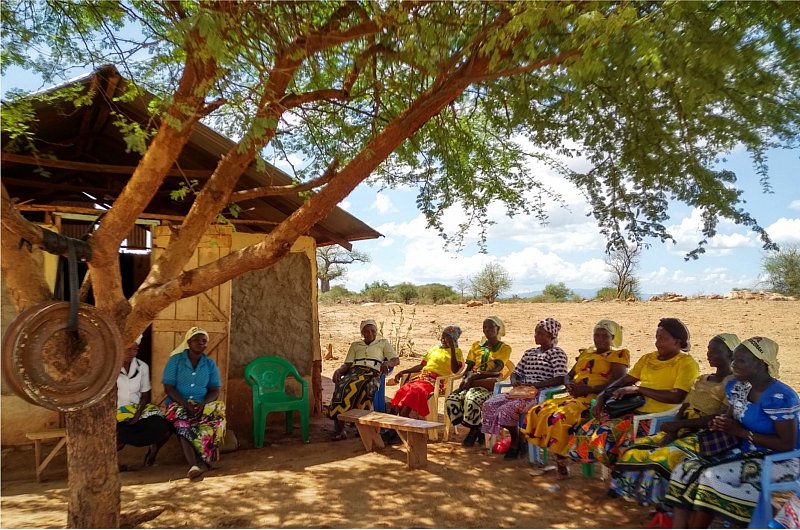
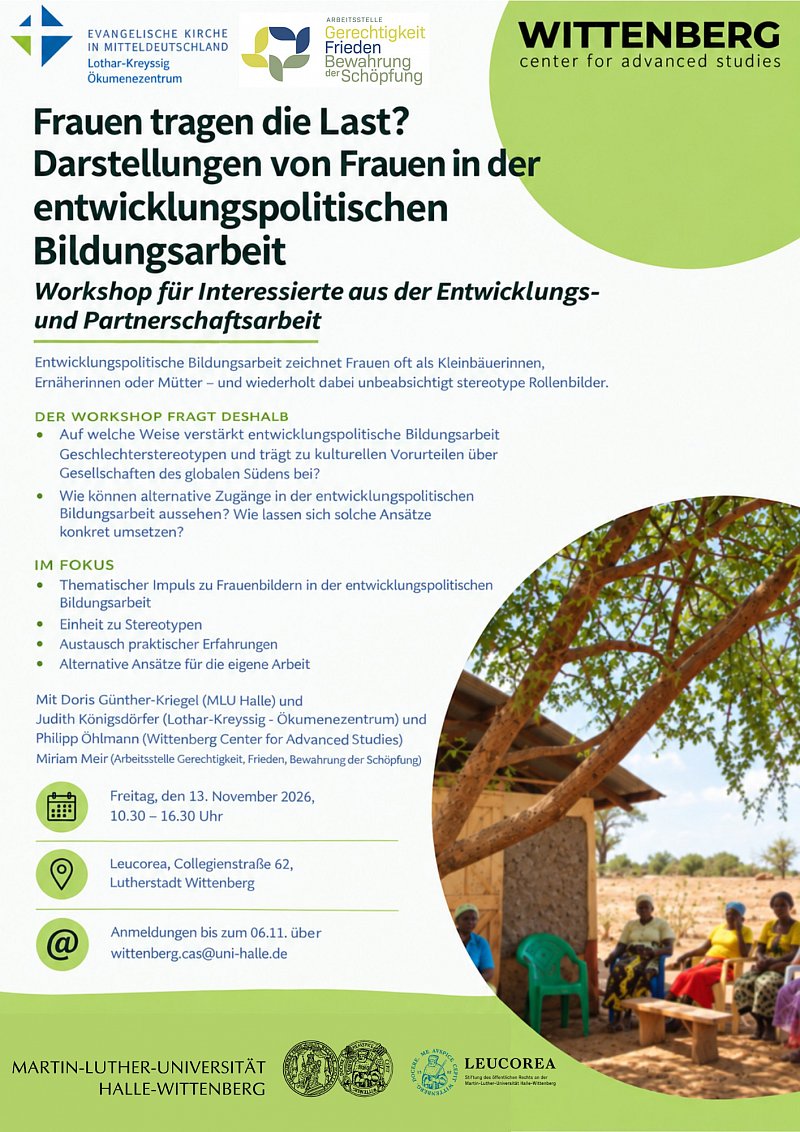
„Wenn im Dorf ein Brunnen gebaut wird, brauchen die Frauen und Mädchen nicht mehr so weit zu laufen, um Wasser zu holen.“
Entwicklungspolitische Bildungsarbeit basiert an vielen Stellen auf der Darstellung von Frauen – als Kleinbäuerinnen, als Ernährerinnen, als Mütter. Dabei werden oft ungewollt stereotype Rollenmuster wiederholt, die Frauen zu Opfern kultureller und ökonomischer Lebensumstände machen. Im Rahmen des Workshops wollen wir uns mit solchen Repräsentationen beschäftigten und uns den folgenden Fragen gemeinsam nähern: Auf welche Weise verstärkt entwicklungspolitische Bildungsarbeit Geschlechterstereotypen und trägt zu kulturellen Vorurteilen über Gesellschaften des globalen Südens bei? Wie können alternative Zugänge in der entwicklungspolitischen Bildungsarbeit aussehen? Wie lassen sich solche Ansätze konkret umsetzen? Der Workshop für alle Interessierten aus der Entwicklungs- und Partnerschaftsarbeit verbindet thematische Impulsvorträge mit Ideenaustausch, Diskussionsrunden und Erarbeitungsphasen.
Datum: Freitag, 13. November 2026, 10.30 – 16.30 Uhr
Veranstaltungsort: Leucorea, Collegienstraße 62, 06886 Lutherstadt Wittenberg
Leitung:
Doris Günther-Kriegel, Theologische Fakultät/MLU Halle-Wittenberg
Judith Königsdörfer, Lothar-Kreissig-Ökumenezentrum/Ev. Kirche Mitteldeutschland
Miriam Meir, Arbeitsstelle Gerechtigkeit, Frieden, Bewahrung der Schöpfung/Ev.-Luth. Landeskirche Sachsens
Philipp Öhlmann, Wittenberg CAS/MLU Halle-Wittenberg
Anmeldung bis zum 06.11.2026 an: wittenberg.cas@uni-halle.de.
Der Workshop ist eine Kooperationsveranstaltung mit dem Lothar-Kreissig-Ökumenezentrum der Ev. Kirche Mitteldeutschland und der Arbeitsstelle Gerechtigkeit, Frieden, Bewahrung der Schöpfung der Ev.-Luth. Landeskirche Sachsens.
International Colloquium at the Wittenberg CAS Provides Important Impulses for Decolonizing Ecumenical Debates
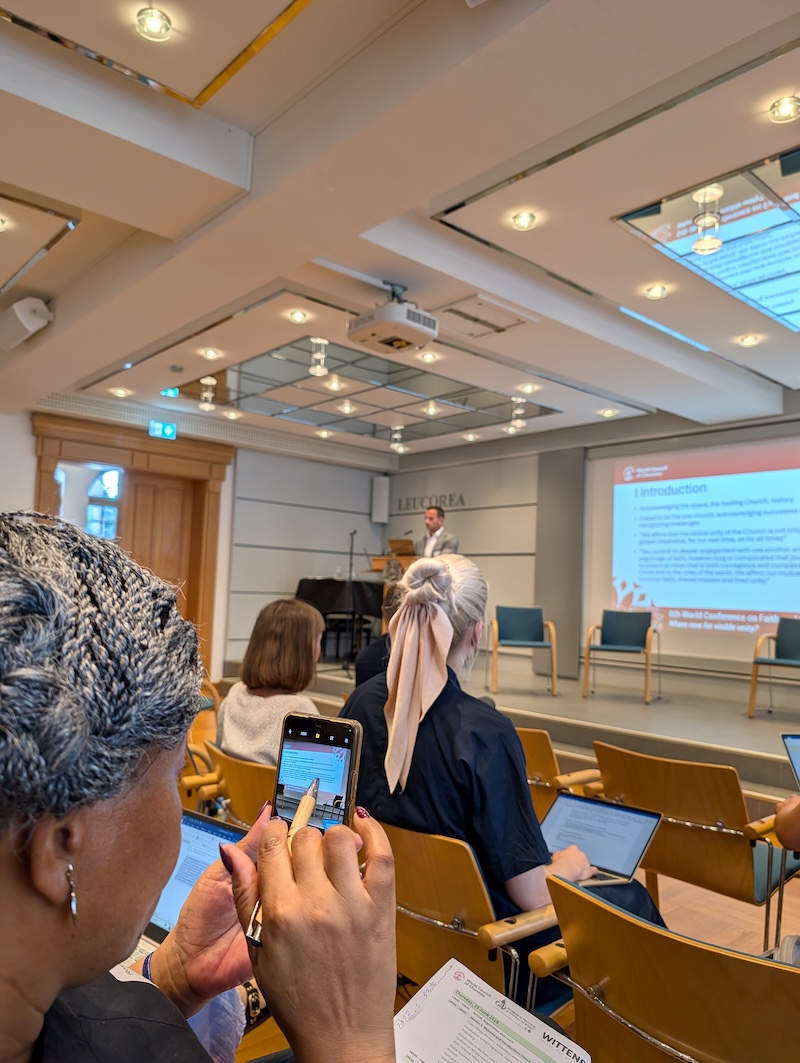
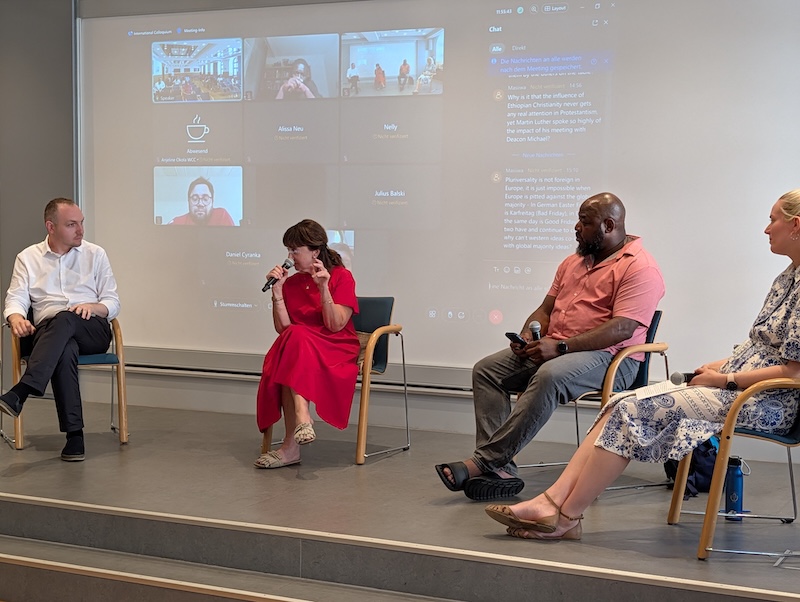
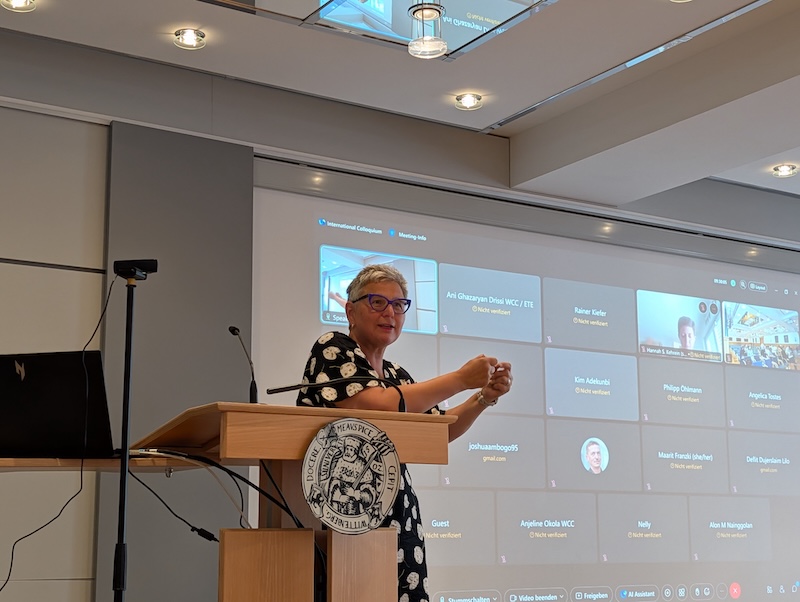
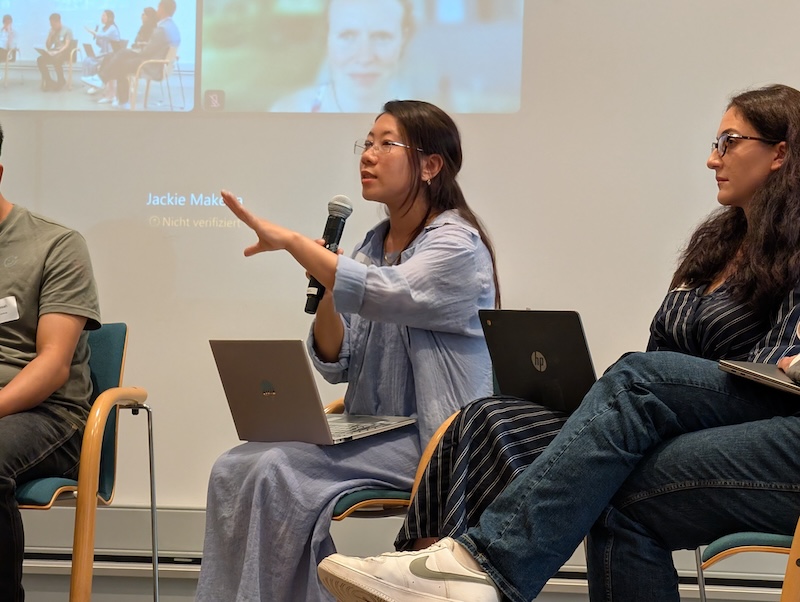
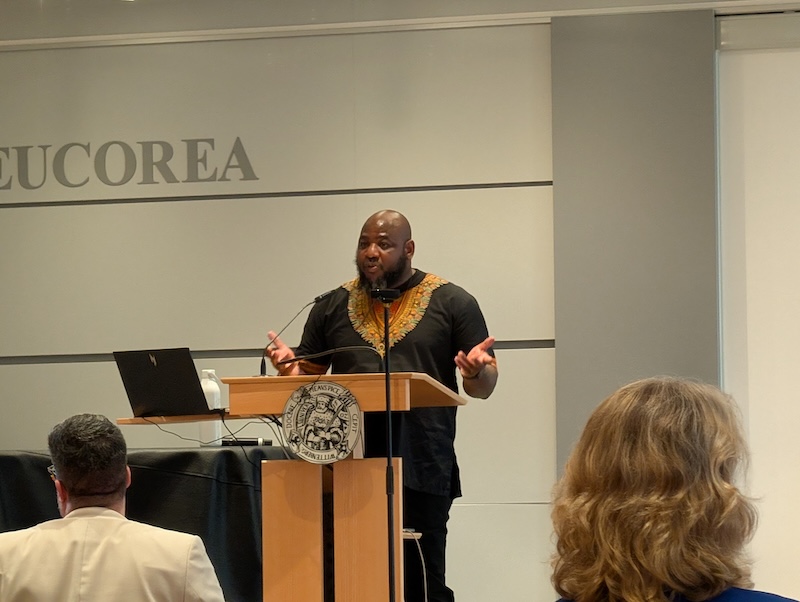
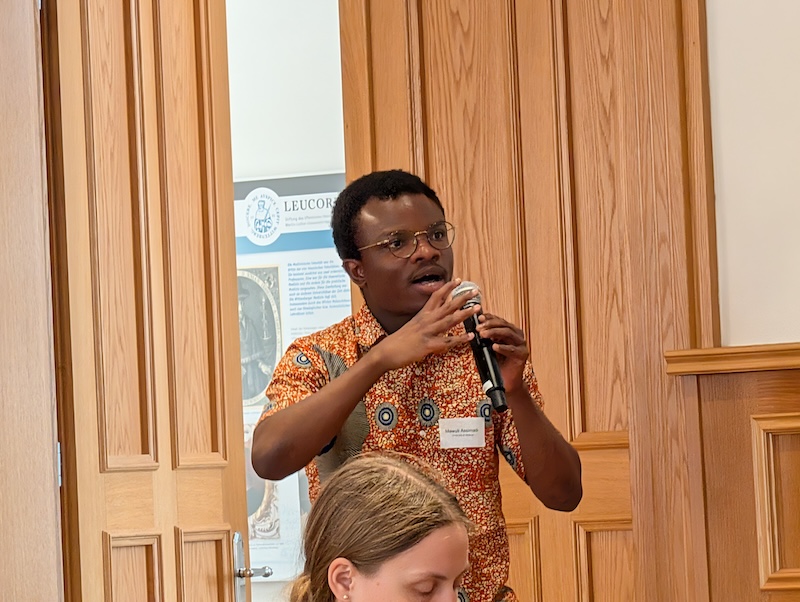
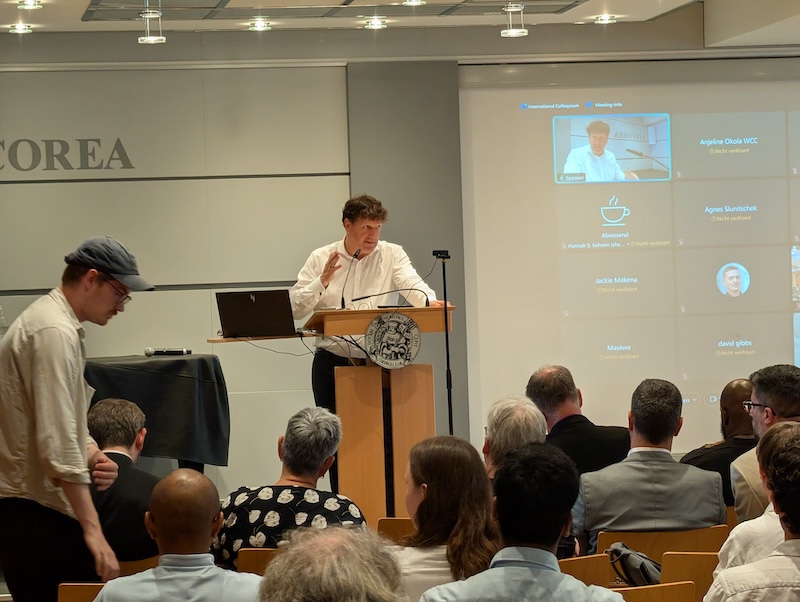
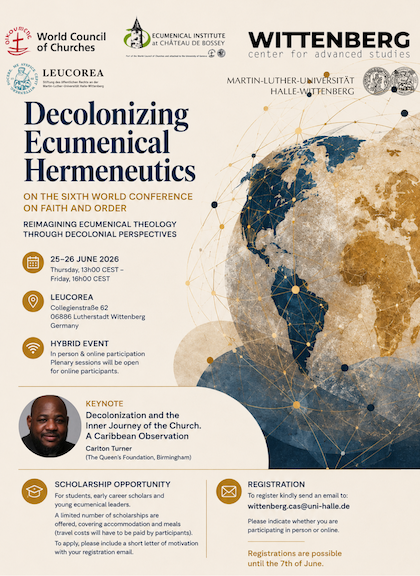
The Wittenberg Center for Advanced Studies hosted the International Colloquium “Decolonizing Ecumenical Hermeneutics” on 25 and 26 June 2026. The event was organized in cooperation with the Commission on Faith and Order of the World Council of Churches, Bossey Ecumenical Institute and the Faculty of Theology at Martin Luther University Halle-Wittenberg.
The Colloquium aimed to contextualize the work of the WCC Faith and Order Commission and its Sixth World Conference “Where now for visible unity?”, Wadi El Natrun, Egypt, from 24 to 28 October 2025. Historically, ecumenical discourses have often privileged Eurocentric frameworks, marginalizing theologies and hermeneutics of communities shaped by colonial histories and indigenous worldviews. The event therefore particularly focused on core insights emerging from the World Conference on the decolonization of ecumenical hermeneutics.
The International Colloquium brought together scholars from Martin Luther University Halle-Wittenberg as well as from other German and international universities, fostering an intensive exchange across different academic and ecclesial contexts. A particular feature of the event was the active participation of numerous young scholars, including undergraduate and postgraduate students as well as doctoral researchers. Through workshops, response sessions and discussions, they made important contributions to the conversations and highlighted the significance of involving emerging voices in shaping future ecumenical debates.
The contributions and discussions in Wittenberg critically reviewed and challenged the hermeneutical presuppositions of ecumenical theological discourses. They highlighted the need to incorporate more pluralistic perspectives, such as indigenous theologies, theologies that are marginalized in ecumenical debates and, importantly, lived theologies emerging from people’s lived religion – making the silenced voices heard.
The colloquium also received significant attention from civic and ecclesial leaders. The Lord Mayor of Lutherstadt Wittenberg, Torsten Zugehör, emphasized the importance of the Wittenberg Center for Advanced Studies as a place of international academic exchange and as an important contributor to the city’s profile as a centre for global theological and societal dialogue. Furthermore, high-ranking representatives of the Protestant, Roman Catholic and Orthodox churches in Germany participated in the event and particularly acknowledged the contribution of the International Colloquium in Wittenberg in creating a platform for addressing pressing contemporary challenges facing the ecumenical movement.
Stephanie Dietrich (VID Specialized University, Oslo), moderator of the WCC Faith and Order Commission, emphasized the importance of striving for visible unity in a world of fragmentation and multiple crises. She raised the key question on the purpose of the Faith and Order Commission today: “What kind of Faith and Order is needed for a church whose centre of gravity has shifted, whose voices have multiplied, and whose experiences and understanding of faith are increasingly shaped by postcolonial realities?”
As keynote speaker, Carlton Turner (The Queens Foundation, Birmingham), highlighted the need for the ecumenical movement to introspect and to uncover colonial legacies. Echoing Mignolo’s call for epistemic disobedience, he challenged participants to “get underneath the faith we profess” with the pointed statement “I don’t want your doctrine, I want to see your heart.” This relates to an important point emerging from the discussions in several of the sessions as one key aspect along the path of decolonizing the ecumenical movement: the practical implications of ecumenical theology and the question of how the connection between ecumenical theology and people’s lived realities can be strengthened.
Overall, the Wittenberg Colloquium constituted an important contribution to ongoing debates on the decolonization of the ecumenical movement and ecumenical theology and opened new perspectives for reimagining ecumenical theological thinking through the lens of decolonial reasoning.
Programme
20260624_Intl Colloquium Decolonizing Ecumenical Hermeneutics_Programme.pdf
(510.5 KB) vom 24.06.2026
WCC media announcement: International colloquium offers de-colonial lens on theology
Wittenberg Center for Advanced Studies Welcomes First International Research Fellow
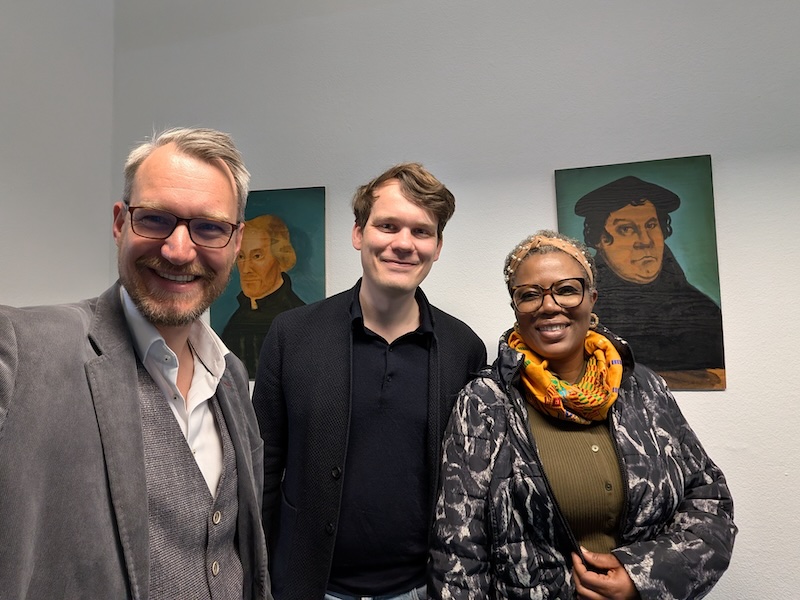
Philipp Öhlmann, Karl Tetzlaff, Seyram Amenyedzi
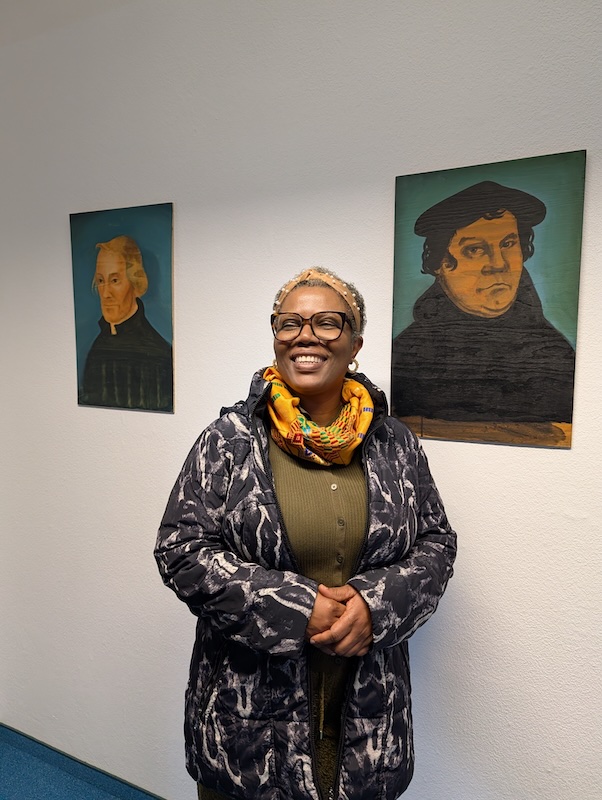
Seyram Amenyedzi in Wittenberg
We are delighted to welcome Professor Dr. Seyram Amenyedzi to the Wittenberg Center for Advanced Studies. Professor Amenyedzi is a distinguished Ghanaian theologian working gender, disability, youth and liberation theologies. She is joining the Wittenberg CAS as international research fellow from May to December 2026.
Professor Amenyedzi's fellowship marks the official beginning of the Wittenberg CAS's international fellowship programme. The fellowship programme seeks to provide opportunities for international scholars to join the Wittenberg CAS as fellows in residence in Wittenberg. The fellows work on their own research projects, while closely collaborating with scholars of MLU Halle-Wittenberg and the other Wittenberg CAS fellows.
International Workshop "Religion, Gender and Sustainability: Intersectional Perspectives" // 22 May 2026
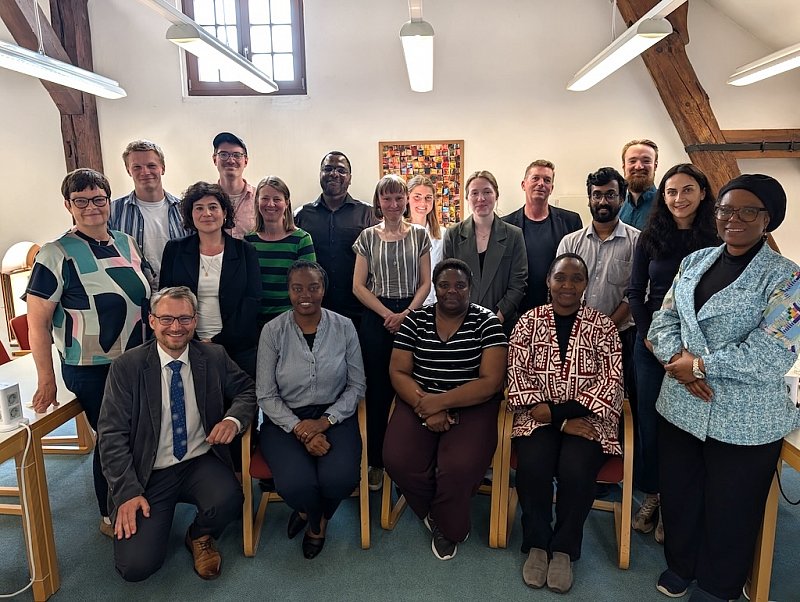
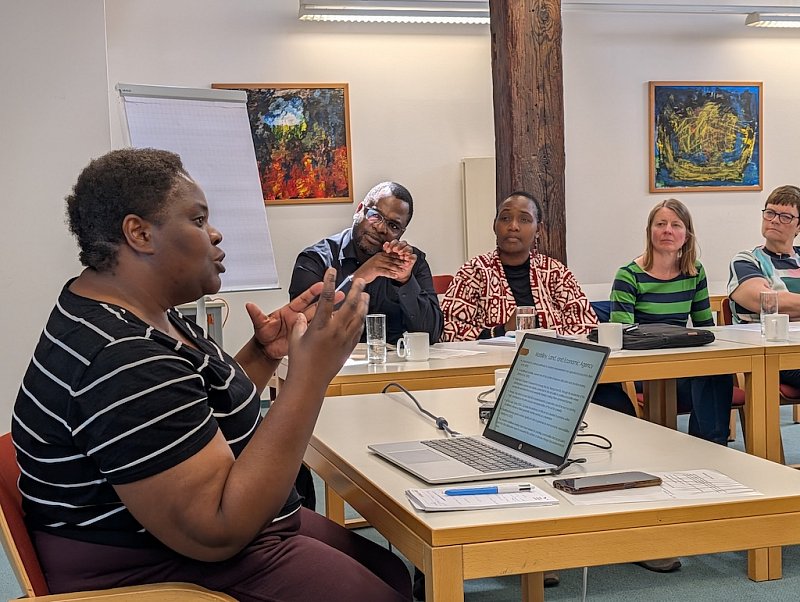
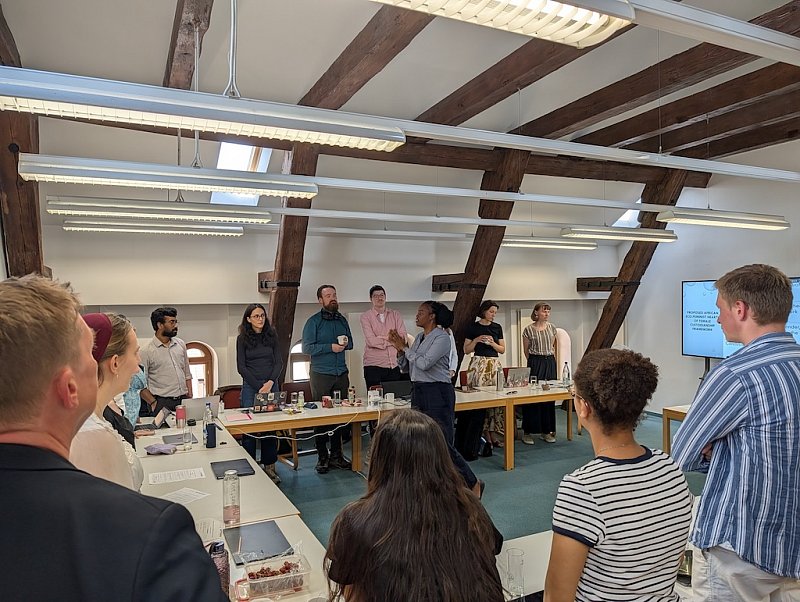
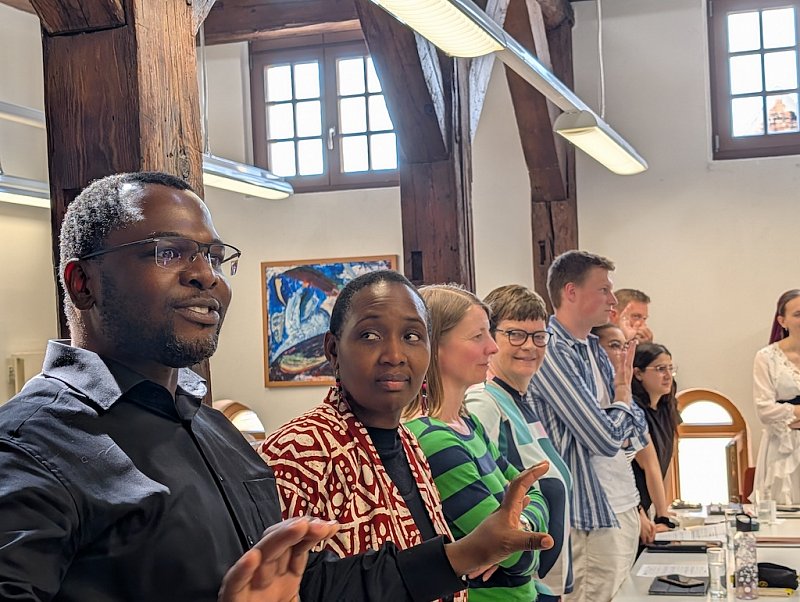
On 22 May 2026, the international workshop “Religion, Gender and Sustainability: Intersectional Perspectives” took place at Leucorea in Wittenberg. Presenters from Martin Luther University Halle-Wittenberg, Maseno University, Zimbabwe Open University, University of Zambia, and the Center for Dialogue and Change in Cottbus jointly explored the complex question of how religion, gender, and sustainability shape and intersect with one another.
In the presentation “Identity Formation at the Intersection of Religion, Gender and Sustainability,” Doris Günther-Kriegel examined questions of identity construction within the tensions of intersectional representations, using the example of images used in German fair trade promotion.
In “Sacred Earth, Sacred Women: Sources Shaping African Women’s Engagement in Ecotheology,” Loreen Maseno (Maseno University; currently Alexander von Humboldt Foundation Friedrich Wilhelm Bessel Award holder at the University of Bamberg) highlighted different religious and cultural resources of African women in the field of ecotheology.
In their joint presentation, “Towards a Religion, Gender and Food Security Responsive Approach to Climate Change,” Molly Manyonganise (Zimbabwe Open University; currently Alexander von Humboldt Fellow at Humboldt University Berlin) and Nelly Mwale (University of Zambia; currently Alexander von Humboldt Fellow at Humboldt University Berlin) presented a holistic approach to climate change and food security. Their presentation addressed the importance of traditional religious and cultural institutions led by women for the social legitimacy of climate protection measures, as well as the frequent marginalization of gender and religious issues in global climate discourses.
Finally, in the presentation “Lost in Transformation? Re-orienting Religion in Rural Areas of Eastern Germany,” Vanessa Rau (Center for Dialogue and Change, Cottbus / Max Planck Institute for the Study of Religious and Ethnic Diversity) discussed religious orientations in regions undergoing transformation in eastern Germany, using the rural areas of Lusatia as an example of broader social and religious processes of change.
In the unique atmosphere of the Leucorea, the workshop provided space for intensive conversations and lively discussions among researchers and students from a variety of international contexts.
Invitation
20260408_Workshop Religion Gender Sustainability.pdf
(2.5 MB) vom 18.05.2026
Programme
20260518_Workshop Religion Gender Sustainability_Programme.pdf
(2.5 MB) vom 18.05.2026